2026 Organizing Committee
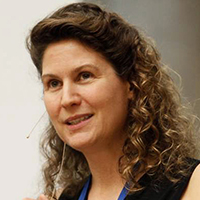 | Program Co-Chair: Vice Chair for Research, Associate Dermatologist, Brigham and Women’s Hospital Shing-Yiu Yip and Cecilia M. Hepp Professor of Dermatology, Harvard Medical School | Rachael A. Clark, MD, PhD, is a physician-scientist, dermatologist, and human immunologist. She serves as the Shing-Yiu Yip and Cecilia M. Hepp Professor of Dermatology at Harvard Medical School, Vice Chair for Research in the Department of Dermatology at Brigham and Women’s Hospital, and Director of the NIAMS P30-funded Human Skin Disease Resource Center.
Dr. Clark divides her time between patient care, teaching, and translational research. Her scientific focus is on human T cell responses in skin and other peripheral tissues, investigating T cell function in healthy skin, impaired responses in skin cancers, and maladaptive activation in inflammatory skin diseases and cutaneous lymphomas. Her research, based on direct patient observations and studies of human tissues, aims to advance the understanding of human immunology and develop novel therapies for skin diseases. |
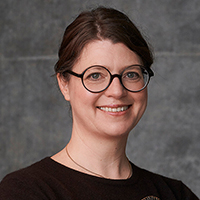 | Program Co-Chair: Professor of Dermatology and Venereology, Karolinska Institutet Senior Physician, Karolinska University Hospital | Liv Eidsmo is Professor of Dermatology and Venereology and Senior Physician at Karolinska Institutet, where she leads her research group within the Department of Medicine, Solna. She combines translational research with clinical practice in dermatology at Karolinska University Hospital. Professor Eidsmo’s research focuses on human skin immunology, particularly the role of tissue-resident memory T (Trm) cells in maintaining skin barrier function and driving inflammatory skin diseases. Her group has defined functionally distinct subsets of Trm cells in healthy human skin based on CD49a expression and has characterized pathogenic Trm populations in vitiligo and psoriasis. Her current research aims to understand how human Trm cells are formed, how they interact with their local tissue environment, and how the Trm cell compartment can be normalized in inflammatory skin disease. Through her combined roles as scientist and clinician, she advances translational research to improve the understanding and treatment of immune-mediated skin disorders. |
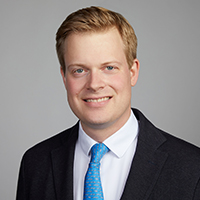 | Program Co-Organizer: Patrick M. Brunner, M.D., M.Sc. Professor of Dermatology, Vice Chair of Research, and Director of the Cutaneous Lymphoma Clinic, Mount Sinai Hospital | Dr. Brunner obtained his MD degree from the Medical University of Vienna, Austria. He completed his residency in Dermatology at the Department of Dermatology at the Medical University of Vienna (General Hospital Vienna), under the mentorship of Dr. Georg Stingl. Afterwards, Dr. Brunner joined the Laboratory for Investigative Dermatology at The Rockefeller University in New York, obtaining a Master’s Degree in Clinical and Translational Sciences, and performed research on atopic dermatitis under the mentorship of Drs. Emma Guttman and James G. Krueger. In 2018, he returned to Vienna to build a research group focusing on cutaneous immunobiology of chronic inflammatory skin diseases and primary cutaneous lymphomas, to better understand how individual immune cells orchestrate skin inflammation in benign and malignant conditions. Dr. Brunner joined the Kimberly and Eric J. Waldman Department of Dermatology in 2021. As a clinician scientist with a strong interest in skin immunology, he is seeing patients suffering from primary cutaneous immune cell malignancies, and also has a general interest in chronic inflammatory skin diseases such as psoriasis, atopic dermatitis, hidradenitis and alopecia areata. His research is aimed at a better understanding of the tumor immunobiology in cutaneous lymphomas, and to develop better treatment modalities for this patient population. |
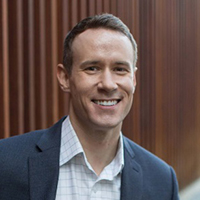 | Program Co-Organizer: Instructor, Harvard Medical School; Investigator, Department of Dermatology, Brigham and Women’s Hospital | William J. “Cris” Crisler, PhD, is a translational cutaneous immunologist and Instructor at Harvard Medical School, conducting research at the Department of Dermatology at Brigham & Women’s Hospital. His work focuses on understanding T cell inflammatory and immunoregulatory networks in human skin diseases and translating these insights into new therapeutic approaches. Dr. Crisler earned his PhD in Immunology from the University of Colorado Anschutz, where he studied transcriptional and epigenetic regulation of myeloid cell interferon responses. He then completed postdoctoral training at Harvard Medical School in the laboratory of Rachael A. Clark, investigating T cell biology in skin inflammation. He has been recognized with several awards, including the Dermatology Foundation Career Development Award, the BWH Pillars Award for Research Leadership, and the Harvard Medical School Award for Excellence in Mentoring. Dr. Crisler serves as the immunology content lead for the Harvard Medical School “Immunity in Defense & Disease” course and co-directs the Harvard Skin Inflammation in Human Health & Disease Conference. |
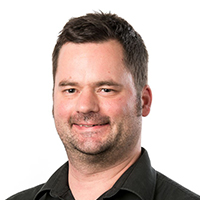 | Program Co-Organizer: Professorial Fellow, Department of Microbiology and Immunology, University of Melbourne | Thomas Gebhardt, PhD, is a Professorial Fellow in the Department of Microbiology and Immunology at the University of Melbourne. He is an internationally recognized immunologist whose research focuses on T cell biology, tissue-resident memory T (TRM) cells, and anti-tumor immunity, with particular relevance to melanoma and viral infection. Professor Gebhardt’s work has been instrumental in advancing understanding of how tissue-resident and recirculating memory CD8 and CD4 T cells contribute to protective immunity and cancer control. His research explores antigen reactivity, T cell exhaustion, stem-like T cell populations, and mechanisms of immune evasion within tumors. He has also investigated how microbiota-derived metabolites, such as butyrate, influence T cell stemness programs and sustain anti-melanoma immunity. Through extensive publication in leading immunology journals and contributions to authoritative book chapters on CD4 and CD8 T cell immunity, Professor Gebhardt continues to shape the conceptual framework of tissue-resident memory T cell biology and its application to cancer immunotherapy and infectious disease protection. |
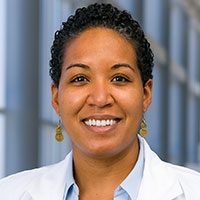 | Symposium Co-Director: Tamia Harris-Tryon, M.D., Ph.D. | Tamia Harris-Tryon, M.D., Ph.D., is an Associate Professor in the Department of Dermatology at UT Southwestern Medical Center. Dr. Harris-Tryon earned her combined medical and doctoral degree in cellular and molecular medicine at The Johns Hopkins School of Medicine and completed a residency in dermatology at The Johns Hopkins Hospital, before joining the UT Southwestern faculty in 2014. Dr. Harris-Tryon’s research focuses on the organisms that reside on the surface of the skin – collectively termed the “microbiota” – and how they impact the skin’s immune system. Her work is supported by the Burroughs Wellcome Fund, UT Southwestern, and the Dermatology Foundation. In 2019, she earned the American Academy of Dermatology’s Young Investigator Award. |
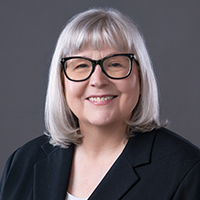 | Symposium Co-Director: Sancy Leachman, M.D., Ph.D. | Sancy Leachman, M.D., Ph.D., is a physician-scientist who chairs the Department of Dermatology at Oregon Health & Science University (OHSU) and is the director of the Melanoma Research Program at the OHSU Knight Cancer Institute, an NCI-designated Comprehensive Cancer Center. The inaugural recipient of the John D. Gray Endowed Chair in Melanoma Research and Chair of the Southwest Oncology Group Melanoma Prevention Working Group, she is a dermatologist using basic science research and state-of-the-art technology to combat skin cancer. Leachman’s research examines the role of genetic predisposition and differential gene expression in the development of melanoma, with an emphasis on the familial melanoma syndrome. She is interested in prevention, early detection, and chemoprevention of melanoma, particularly in genetically predisposed melanoma families. Leachman is passionate about fighting the “War on Melanoma” and has led the effort in building one of the largest national melanoma patient registries and launching a skin cancer public health campaign.
|
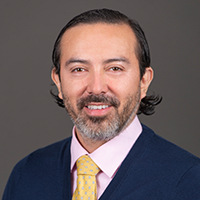 | Symposium Co-Director: Alex Ortega Loayza, M.D., M.C.R. Professor and Chair of Dermatology, OHSU | Dr. Alex Ortega Loayza is a board-certified dermatologist specializing in both general and complex dermatology. He is also board-certified in internal medicine, and has completed his Master of Clinical Research. Dr. Ortega is particularly interested in the treatment of psoriasis, sarcoidosis, and pyoderma gangrenosum (PG). Dr. Ortega is the Interim Chair of the OHSU Department of Dermatology. Dr. Ortega’s research focuses on advancing diagnostic tools and treatment for the rare and often misdiagnosed condition of pyoderma gangrenosum. At OHSU, he has assembled a team of basic scientists, biostatisticians, and clinicians to form the pyoderma gangrenosum study team (PYGAS). He is also the co-leader of the Pyoderma Gangrenosum Group for the International Dermatology Outcome Measures and has been sponsored by the Medical Dermatology Society and American Academy of Dermatology to develop consensus guidelines to treat PG patients. Dr. Ortega enjoys working with medical students and residents in clinic as well as in scholarly activities and research projects. He has published several peer-reviewed papers, is a reviewer for several dermatology journals and has spoken at numerous medical conferences. |
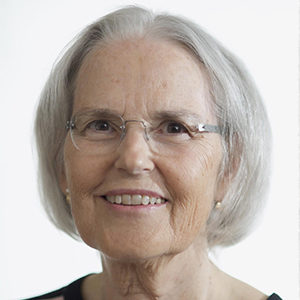 | Symposium Director Emerita: Molly Kulesz-Martin, Ph.D. | Molly Kulesz-Martin, Ph.D., has directed the Montagna Symposium on the Biology of Skin since 2004. During her 16-year directorship, over 1,700 scientists and clinicians have gathered at this historic meeting for presentation and discussion of the latest findings in skin and skin-related research, and over 150 young investigators have received travel awards to attend and present at the meeting. Dr. Kulesz-Martin, an expert in squamous cell carcinogenesis, trained at Roswell Park Cancer Institute and NCI.
In her early career, Dr. Kulesz-Martin established the first colony-based cell transformation assay of primary cultured murine epithelial cells and developed one of the few clonal lineage models of initiated, benign, and malignant and metastatic keratinocytes/squamous cell carcinoma. Recruited to OHSU in 1999, Dr. Kulesz-Martin led the Dermatology Research Division expansion from 1 to 7 primary and joint basic/translational science faculty.
As founding director of an IRB-approved tissue and clinical data repository founded in 2001 (Molecular Profiling Tissue Resource), Dr. Kulesz-Martin fosters collaborations at OHSU and beyond by providing primary epidermal and mucosal cell cultures, fresh frozen tissues of inflammatory lesions and cancers, and an outcomes database for research. |